


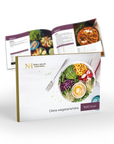
7-day menu - vegetarian diet 1600 kcal
- A balanced vegetarian diet based on plant foods is not only for vegetarians
What is a vegetarian diet?
The basic principle of a vegetarian diet is complete
elimination of animal products. A vegetarian menu contains only plant products. Meat, fish, and seafood are prohibited. But the diet
Vegetarian allows the consumption of eggs and dairy products.
There are different types of vegetarianism.
lacto-vegetarian, which allows the consumption of dairy products but eliminates meat and
eggs to a flexitarian diet that allows for occasional meat consumption. Good
A balanced vegetarian diet can be a lifelong way of eating.
Vegetarianism helps lower blood pressure and balances blood glucose, triglyceride, and cholesterol levels. It also reduces the risk of developing heart disease, diabetes, and cancer.
Many myths have arisen around the vegetarian diet. Among them is that it's a harmful diet. However, a vegetarian diet can be healthy when well-balanced and therefore rich in nutrients. If you choose this diet, frequently consume legumes, fermented dairy products, soy products, and foods rich in fatty acids. Use healthy vegetable oils.
For example, flaxseed oil, rapeseed oil, and olive oil. Avoid nutrient deficiencies. If necessary, take dietary supplements. A vegetarian diet often contributes to vitamin B12 deficiency, as it is found exclusively in animal products. This is worth keeping in mind.
Vegetarian diet - who is it for?
intended?
There are no specific recommendations for following a vegetarian diet. It's a good way to eat for people who simply want to eliminate animal products. It's also a good way to detoxify the body. Vegetables and fruits rich in antioxidants will help improve
health condition, e.g. in the case of lipid disorders or inflammatory diseases.
A vegetarian diet can also help you lose weight. A carefully selected caloric intake will facilitate weight loss, and the high density of meals will keep you feeling fuller longer. It's also beneficial for people with insulin resistance, diabetes, meat intolerances, and cardiovascular problems.
Vegetarian Diet - Principles
Many people believe that the most important principle of a plant-based diet is the elimination of meat. But this is only the first principle of this way of eating. Following a vegetarian diet is much more restrictive.
Firstly, meals should be very varied to avoid nutrient deficiencies. So, reach for
fruits and vegetables, dairy products, eggs, legumes, walnuts, pumpkin seeds, chia seeds and cereal products.
Third, more than half of the vegetables on your plate should be green. This is because leafy greens are rich in lutein, chlorophyll, folic acid, vitamin C, and magnesium. They have antioxidant properties, strengthen the vascular system, and have anti-inflammatory properties.
anti-inflammatory.
Fourth, eat vegetables and fruits in all forms—raw, boiled, stewed, grilled, baked, and sometimes even fried.
Fifth, choose nutritious sources of carbohydrates. Make sure your plate includes millet, brown rice, whole-wheat pasta, and whole-grain bread.
You can read more recommendations in
e-book.
The easily digestible diet has been
composed by a clinical dietitian.
How
adjust the caloric content of your diet to your needs?
The best calorie diet
adjust based on energy needs.And you can do it yourself
calculate using the formula:
CPM = PPM X PAL, where
CPM (total metabolic rate)
PPM (basal metabolic rate)
PAL (Activity Index)
physical).
Basal metabolic rate as well
you can calculate it in a simple way by substituting the appropriate values into
the formula below.
PPM (women) = (10 x body weight [kg]) + (6.25 x
height [cm]) - (5 x [age]) – 161
PPM (men) = (10 x body weight [kg]) + (6.25 x
height [cm]) - (5 x [age]) + 5.
Example:
PPM = (10 × 70) +
(6.25 × 160) - (5 × 33) -161
PPM = 1374.
In turn, for the PAL factor
constant values are defined:
- 1.2 – low activity –
sedentary lifestyle, lack of physical activity, daily housework, - 1.4 – average activity
physical – exercises about 2-3 times a week, daily housework or
moderate physical activity (e.g. walking for about 30-60 minutes), - 1.9 – very active lifestyle
– intense, competitive sports, daily training.
CPM = 1374 × 1.4
CPM = ~1900 kcal.
All materials (content, texts, illustrations, photos, etc.) placed on website noblehealth.pl are subject to copyright and are protected under under the Act on copyright and related rights day 4 February 1994 (t.j. Journal of Laws of 2022, item 2509). Copying, processing, dissemination of these materials in in whole or in parts without the author's consent is prohibited.
1. What are the benefits of a vegetarian diet?
Eating vegetables and fruits is beneficial
primarily affects the improvement of the body's condition. People who
gave up eating meat, on average weigh about 15% less than people on
meat diet.
A vegetarian diet is the least
toxic. It contains a large amount of dietary fiber, polyunsaturated fatty acids, antioxidants, and most minerals. It supports
functioning of the nervous system and protects the body against the development of certain cancers.
2. Vegetarian diet - what to eat?
A meatless diet should consist of
primarily from a large number of vegetables and fruits. There are many different varieties
vegetarianism, some of which allow the consumption of eggs and dairy products
or occasionally meat or seafood.
In the basic version of the diet
vegetarian diet it is advisable to reach for vegetable fats, plants
legumes, linseed, soy milk, oatmeal, dairy products,
honey, dried figs or natural tofu. You can enrich your diet with fresh
herbs and spices, such as parsley. You can eat it as a snack
fruit bars with seeds, which are an excellent source of magnesium, iron and unsaturated fatty acids.
3. Who is a vegetarian diet for?
A vegetarian diet will work well in
treatment of certain diseases. It will also be an excellent choice for people who
They consciously refrain from eating meat. It can be used by diabetics and people with cardiovascular disease. Eating plant-based foods will also benefit those who enjoy a satisfying meal but are prone to weight gain. Furthermore, a vegetarian diet will be beneficial for those trying to lose weight.
4. How to order a diet?
Just choose the one that interests you
calorie content, add products to the cart and then fill out the form
After payment is received, you will receive a file with your selected diet at the email address you provided.
5. When can I expect results?
So when you feel better,
It largely depends on you. If you follow the recommendations given by your dietitian and follow a vegetarian diet according to their plan, you'll see the first results after just a few days. Remember, however, that the menu provided is a sample 7-day menu. You can modify it as needed, depending on your needs.

